 English
  French
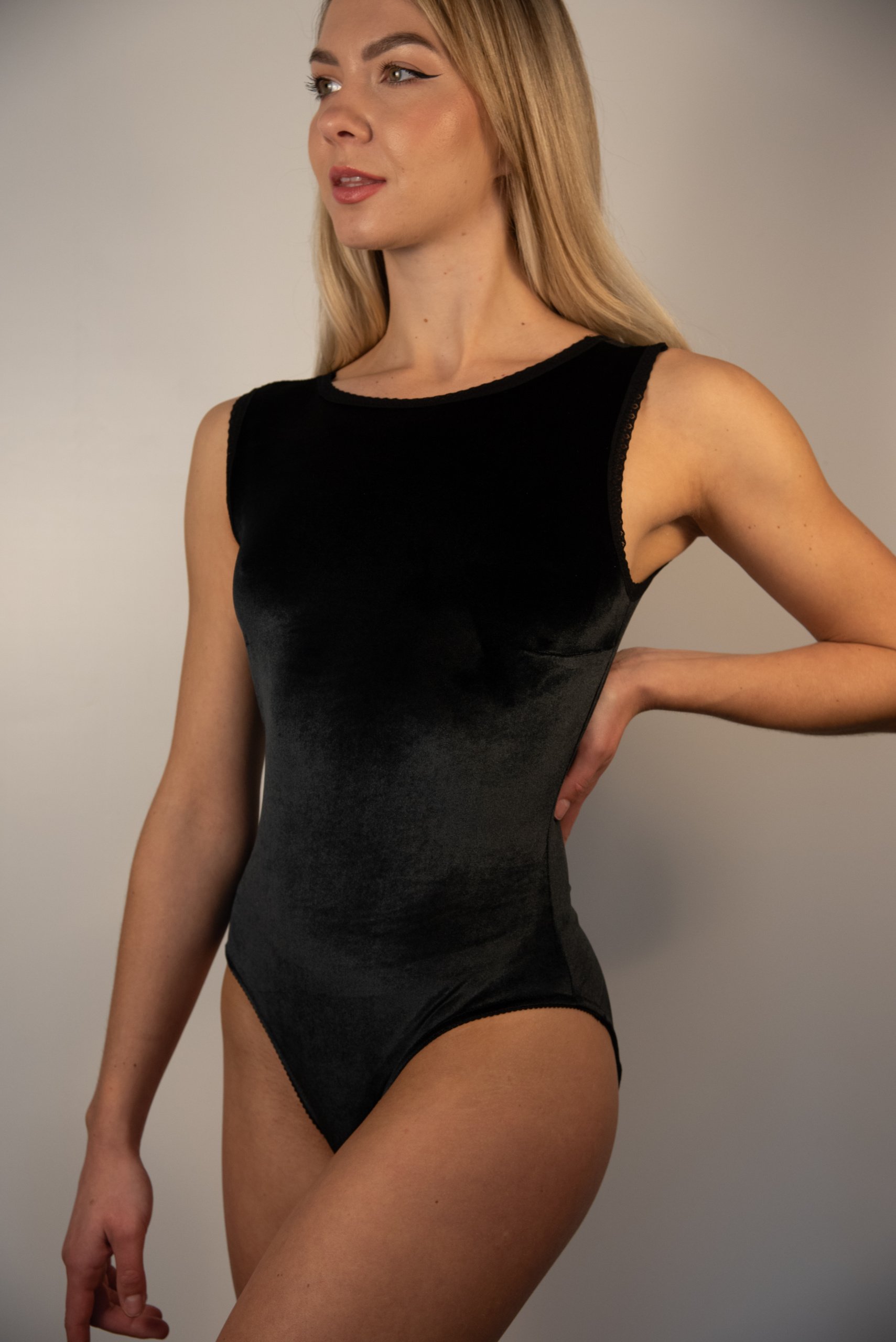
The Serena II bodysuit is a simple yet elegant design, intended to be accessible even if you're new to sewing lingerie or garments […]

How to pattern twin bra sizes
It often happens that a bra pattern doesn't offer all sizes, especially when you go outside the so-called "standard" sizes. However, with a few notions of gradation and [...]
Adapting a stretch pattern – part 4 – to the horizontal
In this article, we'll look at a number of different ways of identifying whether a pattern needs to be adapted: to the waistline to the hip size to the underbust [...].
Stretch garment patternmaking - part 1 - the basics
What is pattern making? It means drawing the different parts of a garment flat on paper or in CAD format. You want to make your own made-to-measure pattern [...]
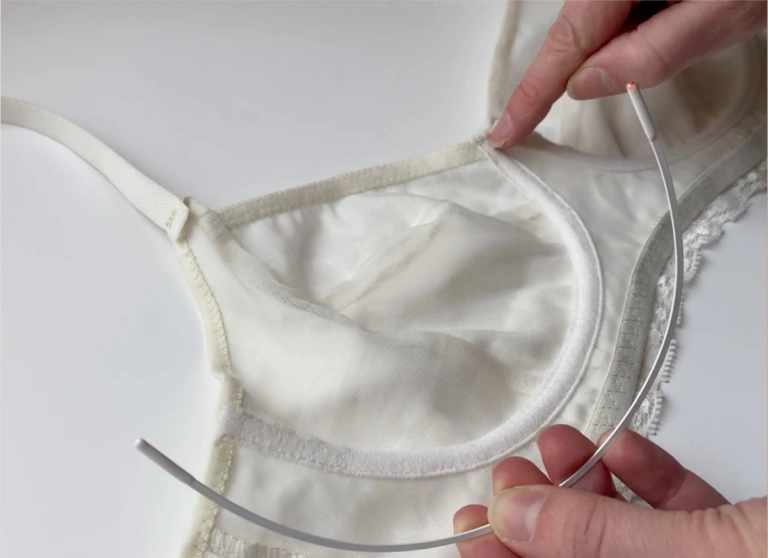
Armatures - How to choose them?
What is an underwire? It's a piece of metal called an underwire that sits around the cup. It provides the necessary support for your breasts and allows you to [...]
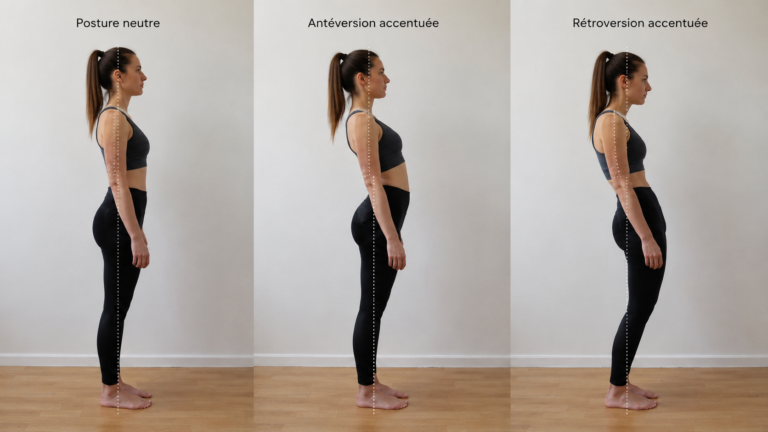
Adaptation of a stretch pattern – part 3 – adaptation according to pelvic position
This article is aimed at the more experienced and will require some knowledge of pattern making. This article will cover various concepts to identify whether there is a case […]
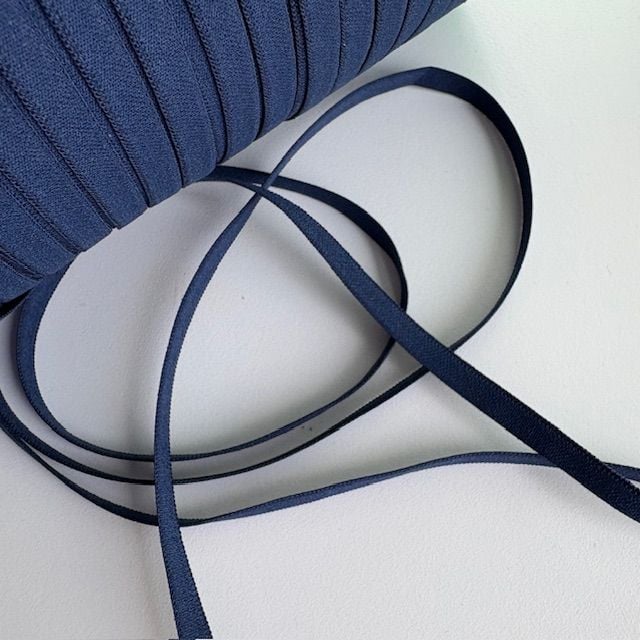
Quel point utiliser pour coudre un élastique?
Que vous débutiez en couture lingerie ou que vous ayez déjà quelques projets derrière vous, la question du point de couture revient souvent dès qu’il s’agit de coudre […]
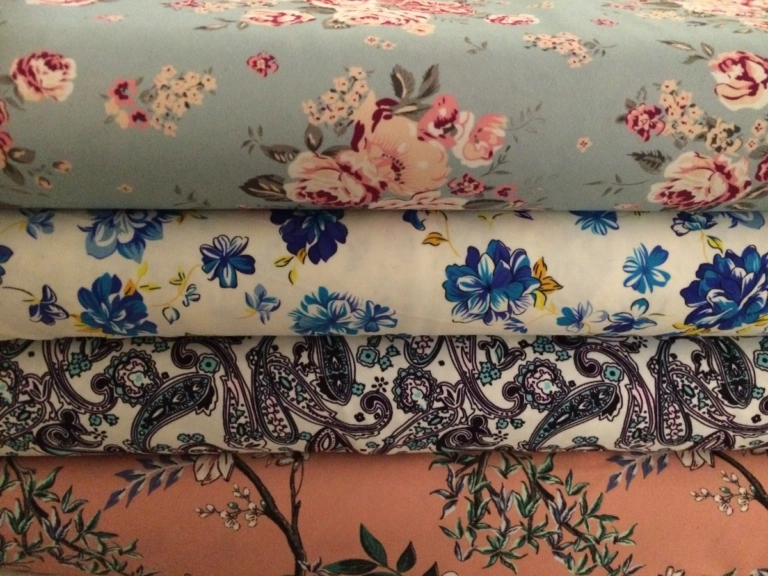
Le meilleur tissu pour coudre ses sous-vêtements est le coton, en particulier le coton interlock ou le jersey de coton. Ces tissus sont doux, respirants et absorbants, ce qui les rend idéaux pour les sous-vêtements. Le bambou est une autre excellente option, car il est doux, respirant et antibactérien. Le lycra ou l'élasthanne peuvent être ajoutés pour plus d'élasticité et de maintien.
Vous avez décidé de coudre vos propres sous-vêtements ? Excellent choix ! Mais avant de vous lancer, une question s’impose : quel tissu choisir pour un résultat confortable, […]
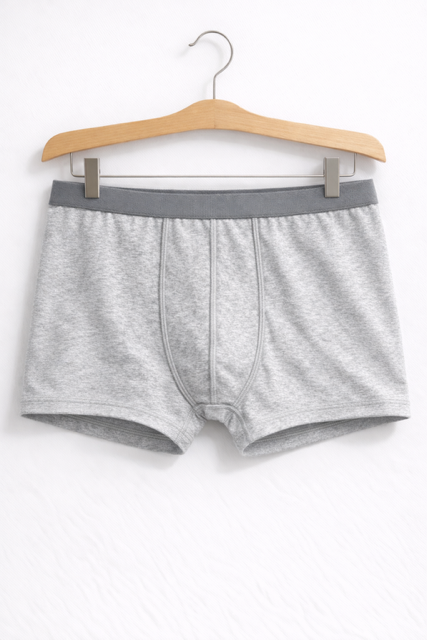
Sewing a wide elastic band onto boxer shorts using your sewing machine
A clean finish with a simple sewing machine (no overlocker or coverstitch machine) Introduction Achieving a neat, strong, and professional finish on men's boxer shorts is quite [...]
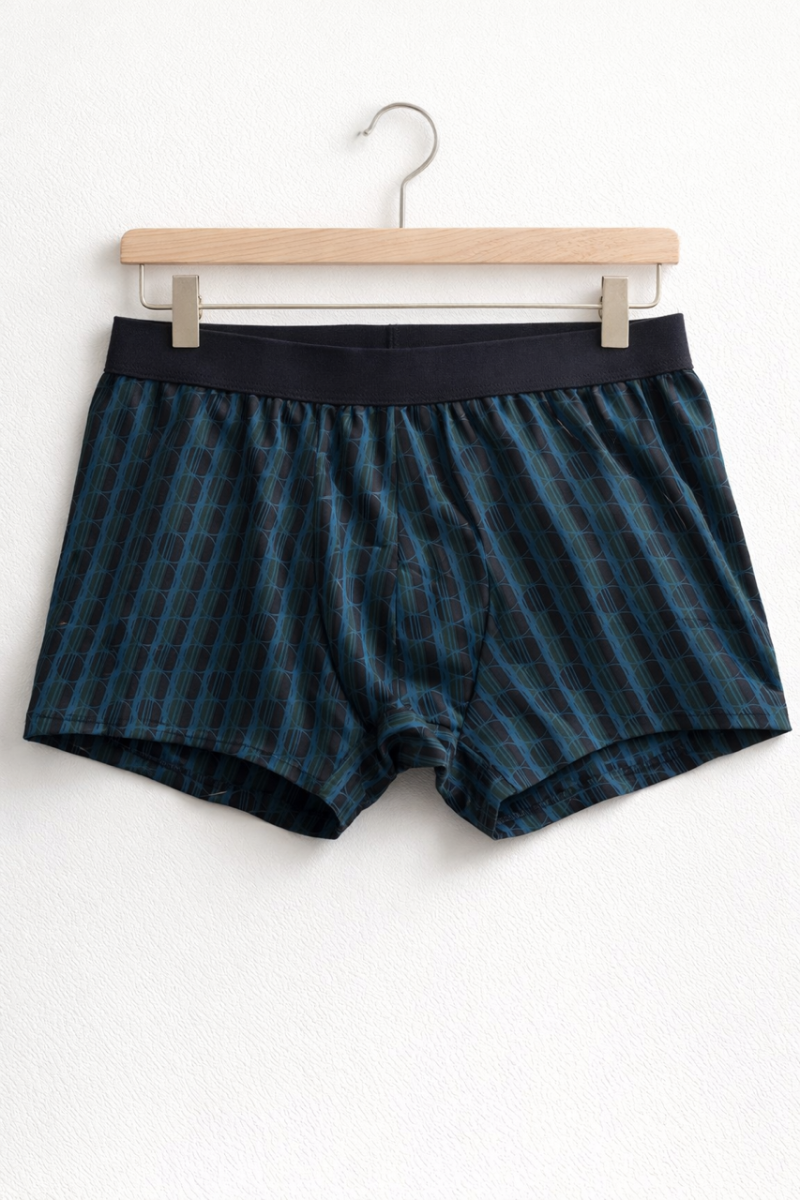
Quel tissu choisir pour confectionner un boxer ou un slip pour homme ?
Sewing men's boxer shorts or briefs is an accessible and very satisfying sewing project. With the right fabric and supplies, it's possible to achieve [...]
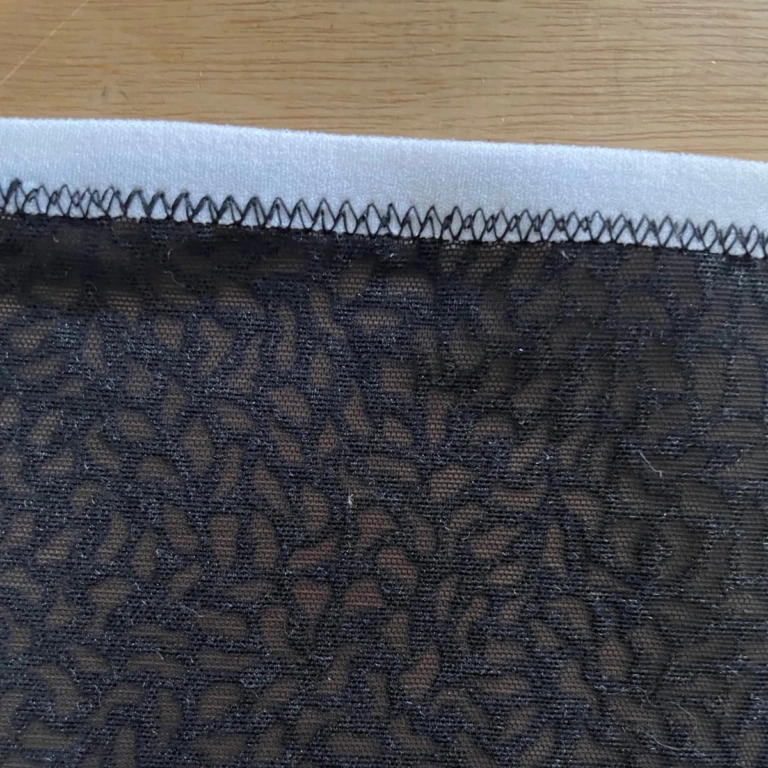
Sew an elastic waistband
Coudre un élastique à la taille est une étape incontournable dans la confection de lingerie. Que vous réalisiez une culotte ou un shorty, c’est cette couture qui garantit […]
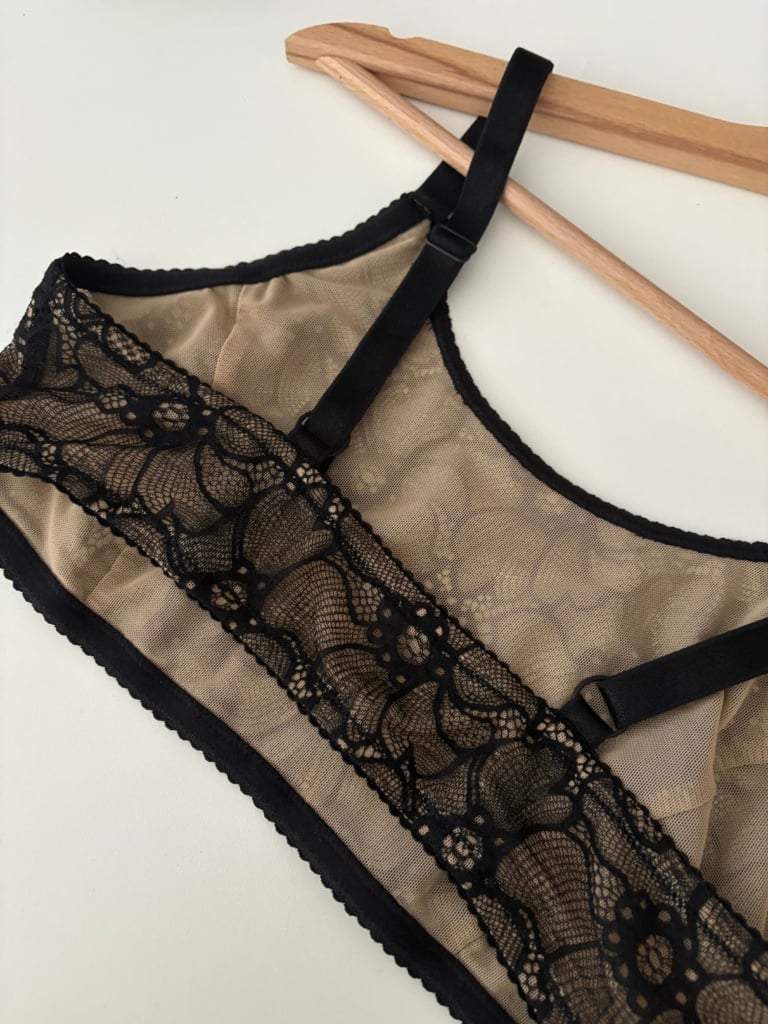
Elasticated bands: neat finishes
Applying elastic is an essential step in lingerie sewing. Whether you're making a bra, knickers or a swimsuit, the quality of the finish makes all the difference.
Idonim is coming to YouTube ✨
Good news: We're officially launching the Idonim YouTube channel. A new space designed to go beyond posts and stories, and to bring you, not [...]
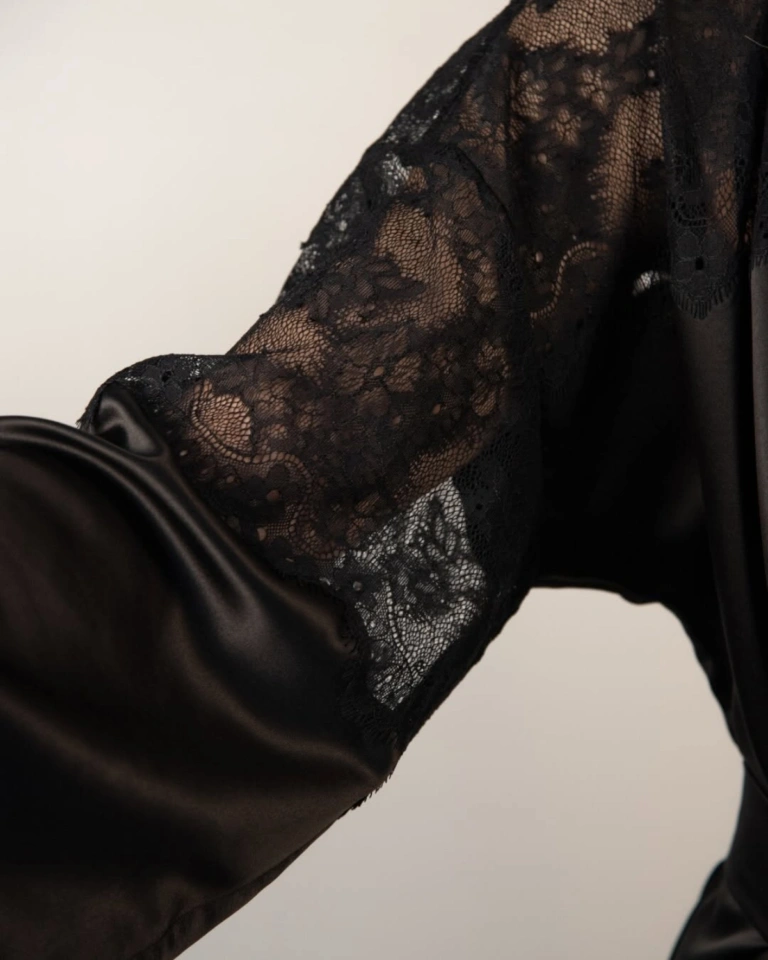
Why choose a wide lace for a kimono?
For this Lola kimono hack, the choice of lace is crucial. Here, wide lace isn't just an aesthetic choice, it's above all a decision [...]
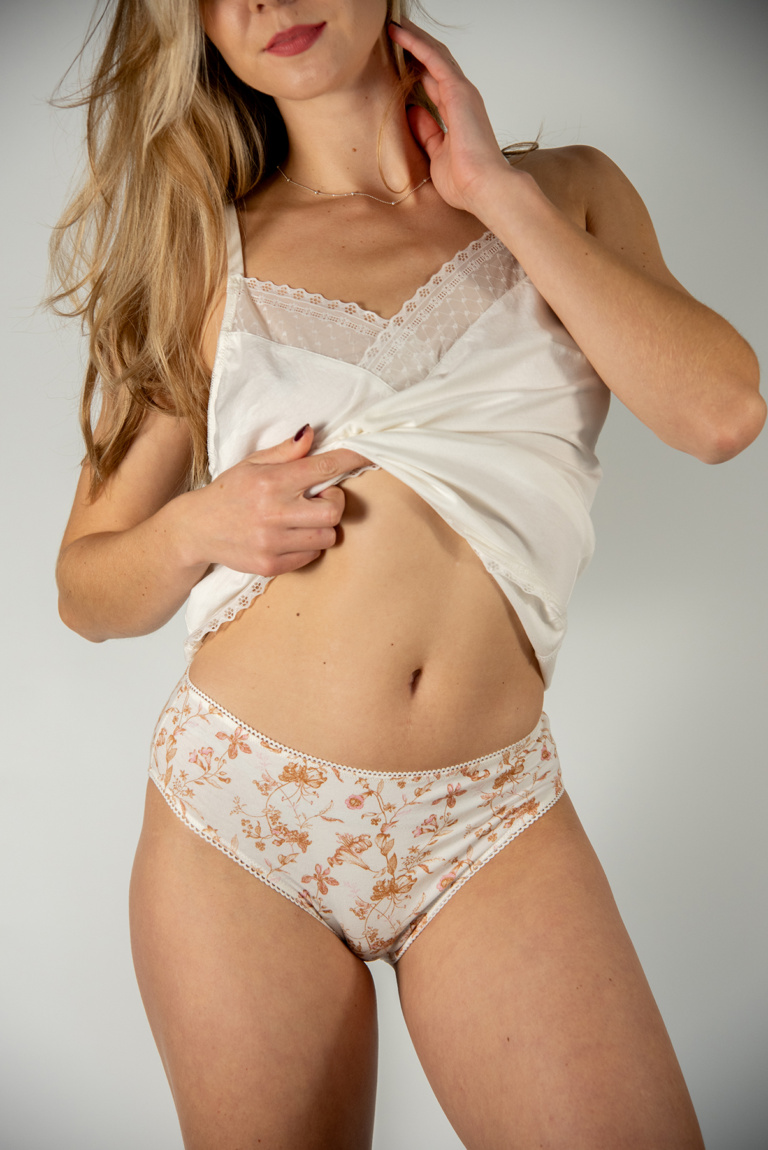
What fabric to choose for making the First knickers
The FIRST knickers were designed as essential knickers: comfortable, accessible, available in a low-rise (brief) or high-rise version, with different options to personalise the finishes thanks […]
Download your thong pattern free !
The Suzanne pattern in PDF format, perfect for starting out in lingerie.
Sign up for our newsletter to receive it!
Your data is protected. Unsubscribe at any time.